
Jerusalem's Church of the Holy Sepulchre under guardianship of Muslim families for centuries
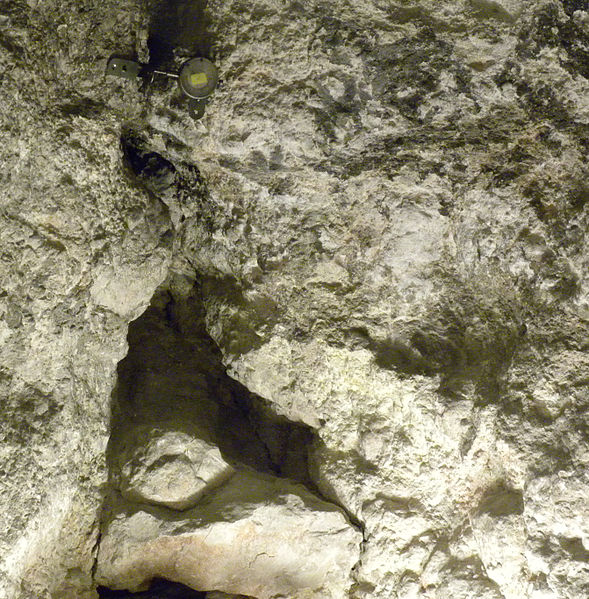
The entrance to the Church of the Holy Sepulchre has been in the care of two Muslim families for hundreds of years.
The church in Jerusalem is considered as one of the holiest sites for Christians. Located in the Christian Quarter in what is known as the Old City of Jerusalem, it houses the place where Jesus was crucified and where he was entombed. It has been watched over by Muslims for at least 500 years.
Currently, Abed Joudeh holds the key, passed down in his family from generation to generation, while Wajeeh Nuseibeh is responsible for opening and closing the door, the task of which he also inherited.
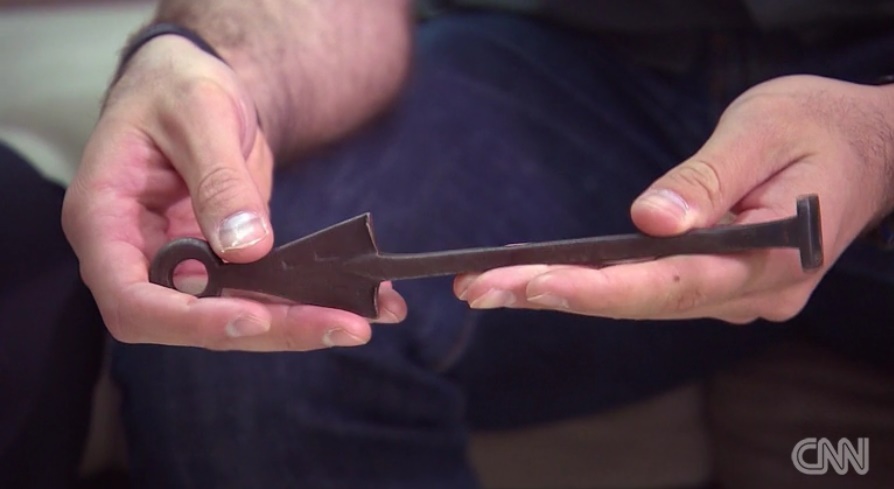
"This is the family heritage," Joudeh said in the interview with CNN Wire published in Fox40. "It's all we own as a family, and this is an honor not only for our family. This is an honor for all Muslims in the world."
This task was reportedly given to the Muslim families as a means of maintaining neutrality, considering the numerous Christian denominations that have been trying to gain rights to the site. Joudeh's family, according to reports, was given the key in 1187 and Nuseibah's family was assigned as door keepers in 1192.
However, the oldest of the contracts kept by Joudeh's family regarding the care and protection of the 12-inch key is dated 1517. One of the documents, according to the report, dates back to the Ottoman period and bears a stamp by the Turkish sultan.
Joudeh cited the agreement between a Muslim, Umar ibn Khattab, and a Christian, Sophronius, 1,400 years ago that allowed Christians to worship freely in Jerusalem.
"For me, the source of coexistence for Islamic and Christian religions is the Church of the Holy Sepulchre," he said, "and that was when Umar ibn Khattab took the keys of Jerusalem from Patriarch Sophronius and gave security and safety to Christians in the region. We coexist and pass peace and love, which is the real Islamic religion."
There are reportedly two keys, one roughly 850 years old that already broke, and one around 500 years old, which is currently in use. In the morning and evening, Joudeh hands the key to Nuseibeh, who unlocks and locks the church doors.
"What we pass to the next generations is not only the key, but also the way you respect other religions," Joudeh said.


